Tag: deadbolt

  • Stealth Deadbolt with Custom Made Backplate

    Stealth Deadbolt with Custom Made Backplate

    This door has a bigger hole than the deadbolt plate. If we just install like that, can see some small hole besides the deadbolt. Although small, still doesn’t look nice. 

    Hence something else is needed to cover the hole. There are alternatives like door strengthener, standard backplate which is square, but both doesn’t look nice (according to the customer). 

    So we need a custom made solution that will blend in with the lock, so that it looks “original”. We come up with a round, hairline and plasma cut stainless steel according to the fitting of the deadbolt design. The effect is very nice. 

    Locksmith always need some custom cut metal plates. Sometimes brass, aluminium or stainless steel. It is simply because there are too many design, situation, thickness, requirement, etc. In order to install the lock to work with durability, strength, and smooth, some degree of customisation is needed. 

    So do not be worried your locksmith used some extra plate on your door. If used correctly, it makes your lock and door stronger than before

    Advise from Locksmith,
    www.finelockshop.com/blog
  • Deadbolt + Hammer = Burglared

    Deadbolt + Hammer = Burglared


    *(Well not exactly hammer, because that will make a lot of noise)
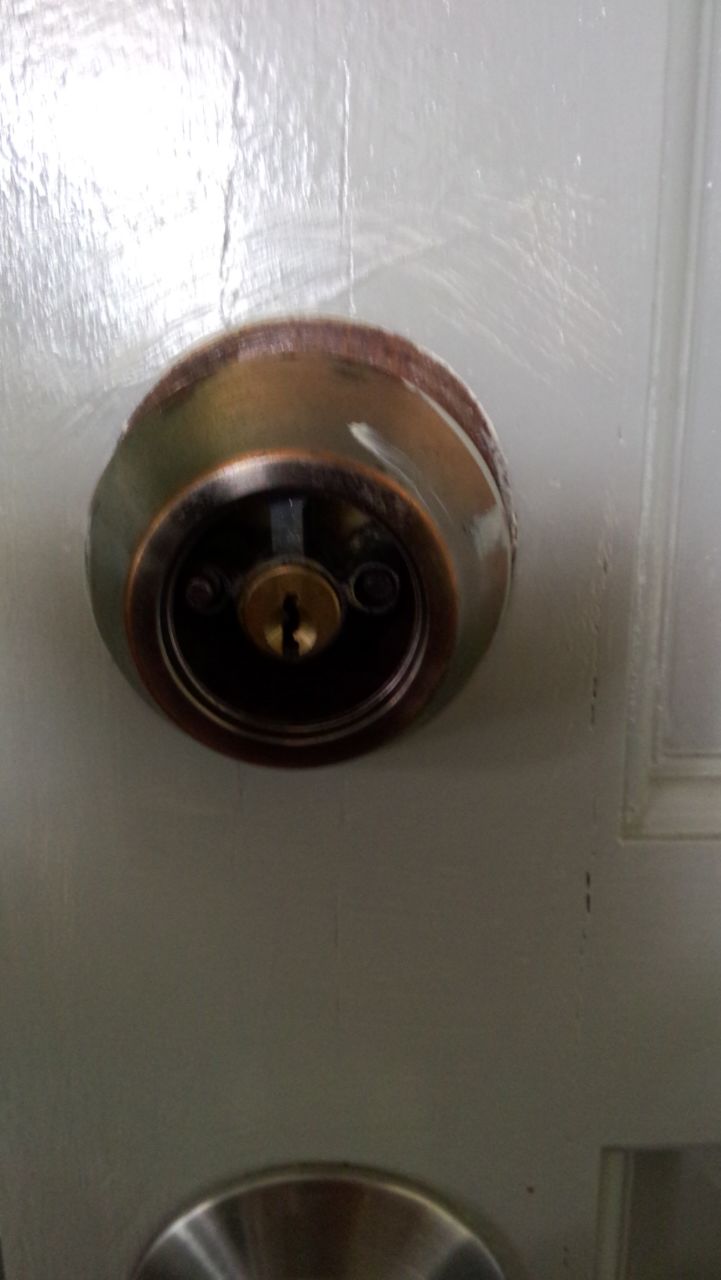
    A cheap deadbolt get burglared. No damage to the keyway, so the only way is the internal part inside and turn a spindle with screwdriver.

    Usually the easy way is to use a hammer. But in this case there is no dent to the deadbolt cover.

    There are, however some dent and scratches on the door (maybe not so obvious from the dark photo). The thief must be using a flat head screwdriver, pry down the deadbolt, then use the same screwdriver to just turn the spindle behind.

    Guess what, when ask the owner, indeed he put some handy tools outside the house, including a flat head screwdriver.

    What can we learn from this case?

    In some frequent cases, the thief comes empty handed, so your neighborhood doesn’t realise. 

    “This is not a thief! Because he doesn’t have any tools or bag. How can he enter a house empty-handed?”.

     He open into your door using some tools or items you put outside your home. Even some gardening tools, repairing tools, maintenance tools, etc.

    So, the today’s real equation should be:

    Deadbolt + Flat Head Screwdriver = Burglared. 

    (Better don’t put this as the headline, we don’t wanna attract too many attention)
    How about you? What do you put at the exterior compound of your house?

    Advise from Locksmith,
    www.finelockshop.com/blog

  • How Deadbolts Play A Role In Keeping Your Home Safe And Secure

    How Deadbolts Play A Role In Keeping Your Home Safe And Secure

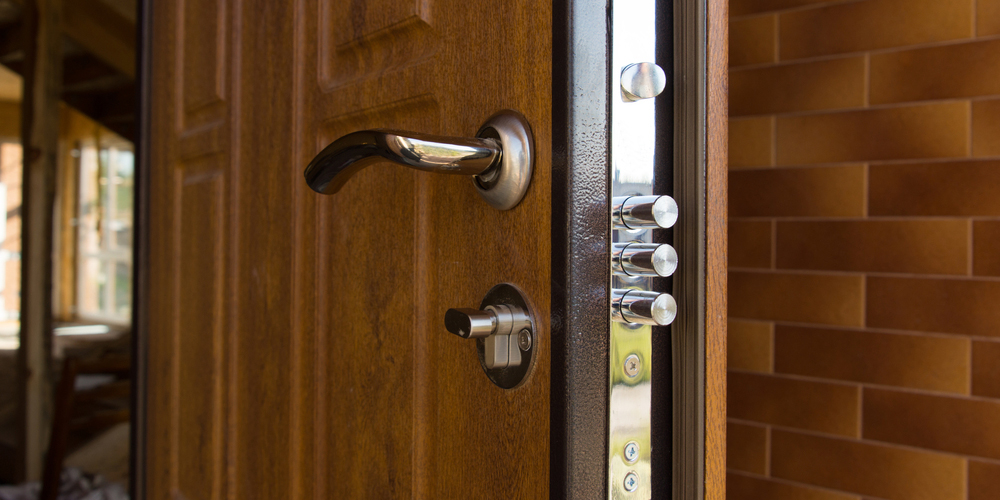
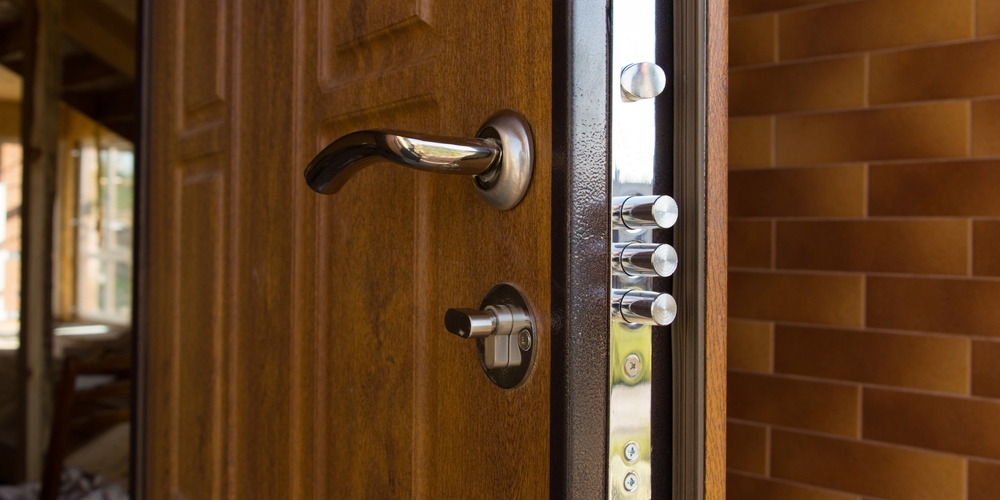
    Though an alarm system or a guard dog may be helpful, locksmiths say a quality deadbolt is the best resistance to a home burglary. In most cases, Intruders use force to gain entry into a home. A deadbolt has a steel bolt that extends into the door jamb and strike plate of the door frame that makes the door harder to enter with force. If your deadbolts are used and working properly, this makes your home a less desirable target.

    The three basic parts of a deadbolt lock are a key accessible cylinder on the outside, the throw or bolt that slides in and out of the door jamb and the thumb turn that allows for manual control of the bolt from the inside of the home. All deadbolt locks should be made of steel, bronze or brass. Avoid die cast materials which can break apart.

    Types Of Deadbolts

    Single Cylinder

    The most common type of deadbolt used is a single cylinder that operates with a twist knob on the inside of the door and a keyhole on the outside. The bolt is “dead” because you have to manually move it in and out of place by means of a key or knob. This can still be breached if an entry door has glass panels since an intruder can break the glass and open the deadbolt from the inside.

    Double Cylinder

    An intruder will not be able to reach in to open the door through a broken glass panel if you have a double cylinder deadbolt. This is the most secure type of deadbolt because it requires a key to operate it on both sides of the door. Some people prefer not to use the double cylinder deadbolt due to the safety concerns of exiting the home in the event of a fire. If the deadbolt is in the locking position, a key would be required to exit which may deter a quick exit or concern if the key is lost. If you do choose to use a double cylinder deadbolt system, keep a key close by but out of arm’s reach of the door area. It’s important to note that before choosing a deadbolt, know that some fire safety and building codes forbid the installation of locks that require keys to open the door from the inside. Consult with a local contractor or locksmith before installing one.

    Regarding the throw (bolt) part of the deadbolt system, consider the difference in security risk between a horizontal and vertical throw.

    Horizontal Throw

    The standard horizontal throw extends one inch beyond the edge of the door and into the jamb. This may not be enough to support the door and frame from a forced entrance by an intruder who can pry the door apart from the jamb or it’s strike plate to disengage the throw.

    Vertical Throw

    A vertical or surface mounted deadbolt engages by interlocking with a set of cast metal rings affixed to the frame of the door. The rings surrounding the bolt make this lock virtually pry-proof making a vertical throw the safer choice of the two deadbolts.

    deadbolt

    Picture Source

    http://united-locksmith.net/blog/how-deadbolts-play-a-role-in-keeping-your-home-safe-and-secure