If you already have a digital lock on your front door, or you are about to buy one, this is a fair question. You are paying more than a normal key lock. You want to know how many years you will get before it gives problems.
Here is how we see it at Fine Lock Shop, from the locks we sell, install and repair in Kuching.
How long does a smart lock last?
Short answer: For normal home use, a good branded smart lock usually lasts around 7 to 10 years or more. Some go much longer. Early failure does happen, but it is usually due to specific low quality locks or some defect issue.
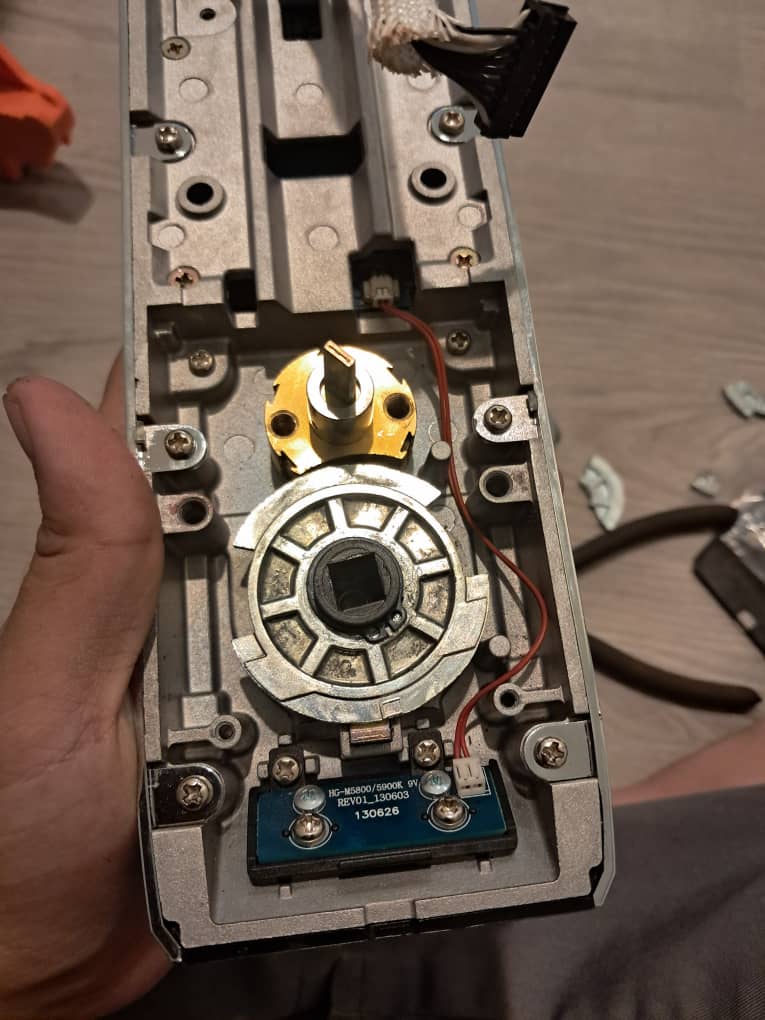
Real case from our shop: We repaired a digital lock that was a bit more than 10 years old. It worked well until the week the owner could not unlock the door. The problem was one small broken spring. We fixed it on site in about 30 minutes, and the lock went back to work. In the same post we shared that we have clients using digital locks for more than 14 years and counting, still no problem. We also said some locks start giving problems as early as 2 years, but that number is very small. (Digital lock needs repairs after 10 years operating)
Fact: There is no honest single “lifespan number” for all smart locks. Even Consumer Reports, which lab-tests smart locks for kick-in, drilling and features, does not publish a lifespan in years. How long a lock lasts depends on usage, the door, the brand and whether spare parts exist. So we give you our shop experience plus what the big lock makers themselves say, not a made-up industry average.
Practical takeaway: Plan for 7–10 years from a branded lock at home. Treat anything after that as a bonus, not a failure.
What “last” really means
Short answer: A smart lock is three things in one: the mechanical body (mortise, bolt, gears, springs), the electronics (keypad, fingerprint reader, motherboard), and the batteries. Each one wears out on its own timeline.
When someone says “my lock spoiled,” it is often only one small part. The 10-year lock above still had a working body and electronics — only a spring broke. We did note that its mortise gear and spring were starting to show wear from metal-to-metal friction. That is normal ageing, not a defect.
Fact with source: The big old lock makers also treat these parts differently. Schlage gives its residential smart locks (Sense, Encode, Connect and others) a limited lifetime warranty on mechanical parts and finish, but only 3 years on electronics (Schlage residential warranty). Yale does the same split: lifetime finish and mechanical for the original owner at a single-family home, and 2 years on electronics (Yale warranty). In plain words: makers expect the metal body to outlast the electronics.
Practical takeaway: Before you decide your lock is “finished,” find out which part has the problem. Often it is one part, not the whole lock.
Battery life vs lock life
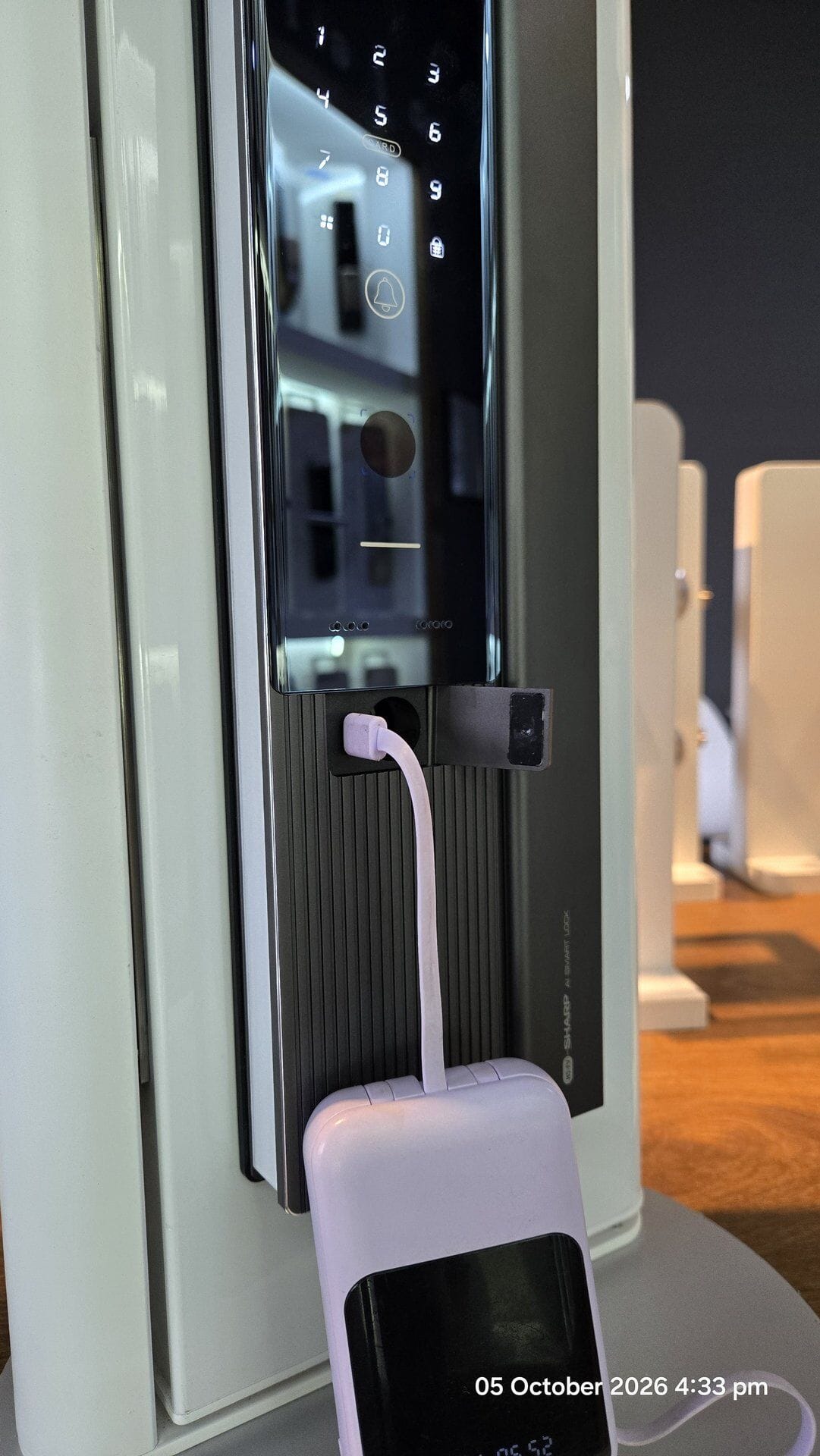
Short answer: Batteries are not lock life. In normal home use, most digital locks run about 1 year on one set of batteries, based on around 10 opens a day.
Real case from our shop: A smaller office with about 20 staff used a digital lock on their door. The lock itself was fine. The battery was the problem: with staff and customers going in and out maybe 50–100 times a day, the battery drained in less than a month. That is why we advise offices with more than about 10 people to look at an electromagnetic lock instead. (Office? Don’t use digital lock)
Fact with source: Maker specs say the same thing — battery life depends on the model and how it connects. Schlage lists its Connect BE468 deadbolt at 8,760 hours of battery life (about 1 year) (Schlage BE468 spec), but its Wi-Fi Encode Plus at up to six months on 4 AA batteries (Schlage Encode Plus spec). Consumer Reports also notes Wi-Fi locks can use more battery than low-power options (Consumer Reports).
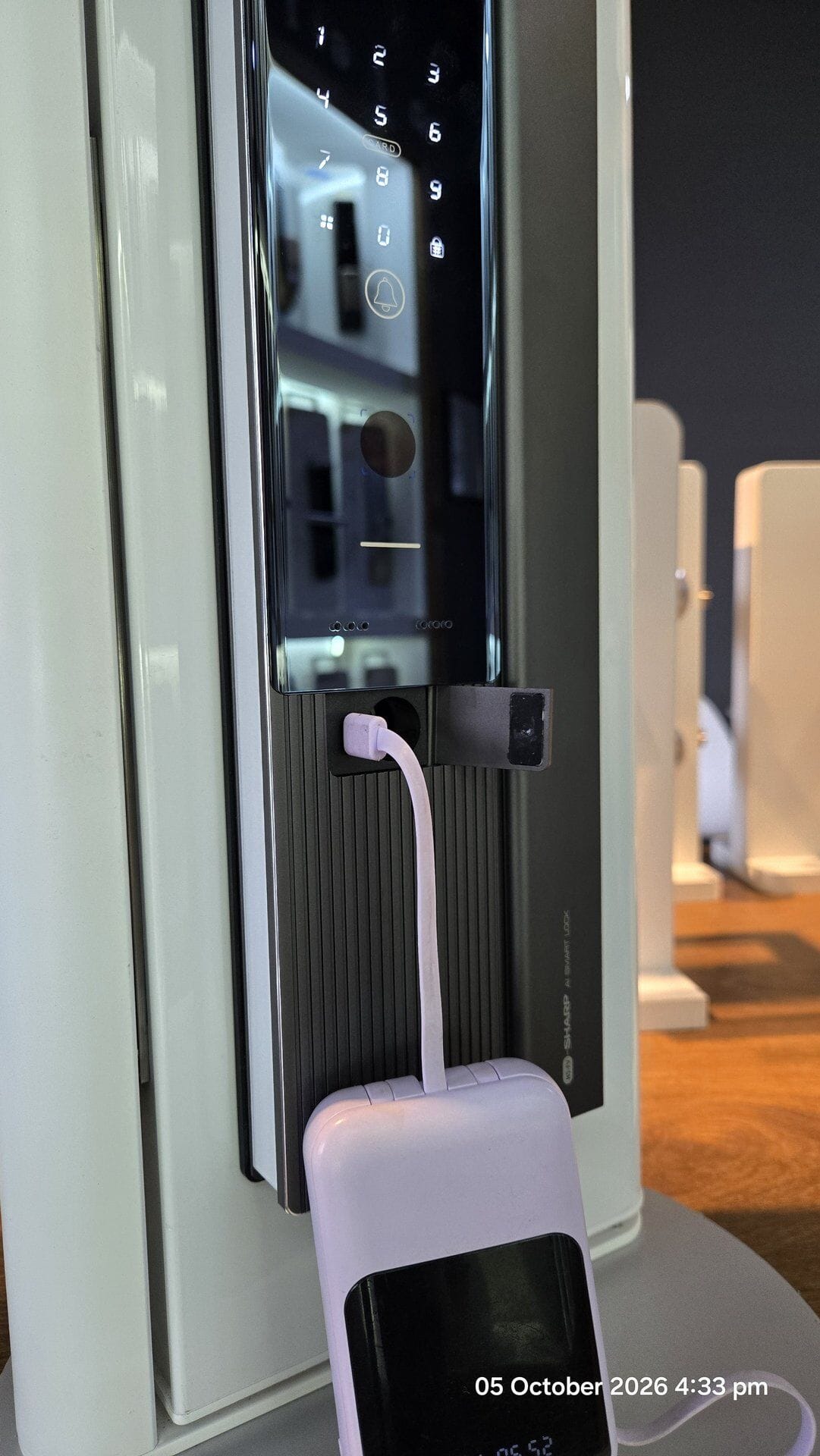
When the battery does run flat, you are not locked out forever. Most locks give low-battery warnings first, and many have a backup key or external power contact — Schlage, for example, describes low-battery alerts plus a key or jumpstart backup (Schlage smart locks). We explain this in Will a smart lock still work during a blackout?
Practical takeaway: Change batteries once a year at home, or as soon as the low-battery warning starts. Heavy traffic means more frequent changes.
What wears out first
Short answer: In our experience, the moving parts go first — springs, gears inside the mortise, and the handle or keypad that people touch every day.
Real cases from our shop:
– The 10-year lock: a small broken spring, with gears showing wear. Repaired on site. (post)
– A 7-year-old Samsung digital lock we sold earlier came back with a problem. We repaired it instead of telling the customer to buy a new one, and the customer gave us a thumbs up. (post)
Practical takeaway: If your lock is 7 years or older and starts acting up, a worn small part is the most likely cause. Ask about repair first.
Fact with source: Good mechanical parts are built for a lot of use. Under ANSI/BHMA A156.36-2020, Grade 1 deadlocks must pass a test of 250,000 cycles of opening and closing (BHMA). That is a lab durability test, not a promise of a certain number of years — but it shows why a well-made body keeps going long after a battery or keypad gives trouble.

What shortens a smart lock’s lifespan
Short answer: Four things we see most:
- Heavy traffic — many opens a day wears parts and drains batteries fast (see the office case above).
- Wet or outdoor doors — Schlage’s warranty excludes damage from harsh temperature, humidity or other environmental conditions, such as corrosion (Schlage residential warranty). If rain hits the door directly, ask us about the position and the model first.
- Brandless locks with no spare parts — once one part breaks, the whole lock is “finished.” (Samsung digital lock’s durability)
- Ignoring low-battery warnings — weak batteries make the motor work harder and can leave you stuck at the door.
Practical takeaway: Match the lock to how the door is used. A busy office door or an exposed outdoor door needs a different plan from a family front door.
What makes a smart lock last longer
Short answer: Buy a brand with spare parts, change batteries on time, keep the door aligned, and repair before you replace.
Spare parts decide repairability. As we wrote about Samsung, its “durability” is not that it never has problems — it is that handles, rubber and plastic parts, motherboard, reader and touchscreen are all easy to get, so problems can be fixed. Brandless locks usually have no spare parts. Other well-known brands such as Lenovo also have spare parts, though not as many as Samsung. (Samsung digital lock’s durability; Got people willing to repair smart door lock meh?)
Door alignment matters. If the door sags or the bolt rubs the strike plate, the motor and gears work harder every single time. A proper install from the start helps — see our smart door lock installation guide.
How we handle warranty problems: If a lock under our warranty has a problem, we either repair it on the spot, or lend you a demo unit with the same hole pattern so your door stays secured while we fix yours.
Practical takeaway: Branded lock + yearly battery change + well-aligned door = the best chance of 10 years or more.

When to repair vs replace a digital door lock
Short answer: Repair if the lock is branded and spare parts are available. Replace if it is brandless with no parts, if the body is badly worn, or if the lock no longer suits how the door is used.
A simple rule for homeowners:
– Repair — one part has failed (spring, handle, keypad, reader) and parts exist. This is often fast and costs much less than a new lock, like the 30-minute spring repair above.
– Replace — no spare parts, several parts failing at once, or your needs changed (for example, a home door that is now a busy office door).
Practical takeaway: Do not let anyone push you to buy new without checking first. Ask: “Can this part be replaced?”
FAQ
How long do smart lock batteries last?
About 1 year in normal home use (around 10 opens a day). Busy doors drain much faster — an office we advised drained batteries in less than a month.
Can a 7–10 year old digital lock still be repaired?
Often yes, if it is a branded lock with spare parts. We have repaired both a 7-year-old Samsung and a 10-year-old lock.
Is a digital lock a good idea for an office?
For offices with more than about 10 people, we usually suggest an electromagnetic lock instead, because of battery drain.
Do cheap brandless locks last as long?
They may work for a while, but when a part breaks there are usually no spare parts, so the whole lock has to be replaced.
Not sure if your lock can still be fixed?
WhatsApp us photos of your lock (front, back, and the side of the door) at 082-288422 and we will tell you whether repair or replacement makes more sense.
Showroom: Ground Floor, Lot 4863, Jalan Datuk Amar Kalong Ningkan, 93250 Kuching (3rd Mile).
Hours: Mon–Fri 9:00am–5:30pm, Sat 9:00am–2:00pm.